Le Mans Ultimate V1.4 Puts Brake Temperatures and Reliable Multiplayer at Center Stage
The July 28 update adds two U.S. circuits, changes the game's network transport and expands the engineering work behind braking, tyres and VR.
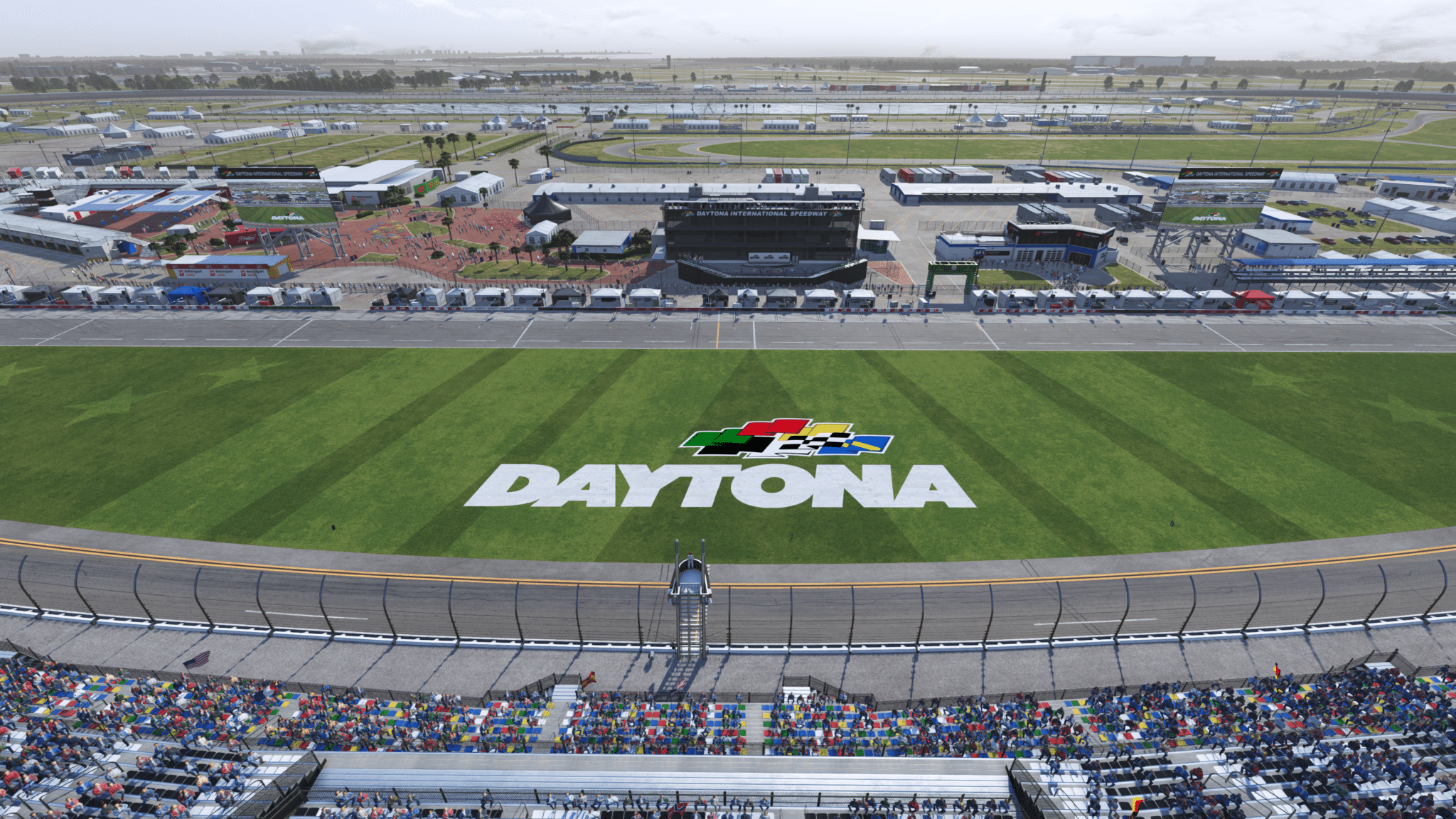
Le Mans Ultimate’s July 28 V1.4 release is more consequential than a routine content drop. It adds Daytona International Speedway and Laguna Seca, but the more important changes sit underneath the track list: the team is changing how sessions communicate, how brake heat feeds into the car and how virtual-reality users interact with the cockpit.
The update’s release notes describe a move from TCP connections to reliable UDP. That is a network-level change, not a promise that every online race will suddenly be flawless. Its significance is that the game is tuning the transport layer around the timing demands of a racing session, where a late packet can be more disruptive than a small amount of recoverable loss. Players will still experience the result through the less glamorous measures of an online race: connection stability, session recovery and whether a busy grid remains coherent.
Brake heat becomes a system, not a number
V1.4 also expands the brake-disc thermal simulation. In a modern racing simulator, temperature matters because it is part of a chain: braking loads heat the disc, that heat can transfer through the assembly and the driver’s next decisions affect whether the car stays inside a usable window. A more developed thermal model is therefore valuable when it changes setup and driving consequences, rather than merely adding a hotter colour to a dashboard.
The release notes pair that work with further tyre and car-system changes. That makes the update relevant to endurance-simulation players in particular. Daytona and Laguna Seca widen the available American track set, but the thermal work is what can change how a familiar stint is prepared. It also gives the title a clearer technical direction as it builds a driving model for races where tyre and brake management matter over time.
Two new circuits, one larger VR question
The U.S. Track Pack 1 content adds Daytona and Laguna Seca to the calendar. Their value is not just geographical variety. Daytona brings a high-speed oval-and-road-course problem to the same platform that models long endurance races, while Laguna Seca asks for a very different rhythm through elevation changes and low-speed technical sections.
V1.4’s VR work is equally notable because the notes describe expanded OpenXR support rather than a single headset-specific promise. OpenXR can reduce the cost of maintaining separate integrations, but it does not by itself guarantee identical performance across headsets or computers. The meaningful test will be whether the new path makes cockpit scale, frame pacing and control behaviour more predictable for the people who use it.
The endurance angle
Endurance racing is where these changes can reinforce one another. A network transport change is most valuable when a session lasts long enough for small interruptions to become costly. Brake temperatures matter when a driver must decide whether to protect a component now or spend performance later. VR support matters when a long stint makes a stable, readable cockpit more important than a novelty view.
That does not mean V1.4 turns every race into an engineering exercise. The simulator still has to communicate the consequences clearly, and players still have to learn which indicators deserve attention. The release notes establish the systems being changed; they do not publish a universal setup guide or a guarantee that every car will respond identically.
The release is best read as infrastructure plus content. Daytona and Laguna Seca are the visible additions. Reliable UDP, brake-disc temperatures and the VR changes are the less visible pieces that determine whether the simulator feels more dependable after the novelty of a new circuit wears off. No hands-on conclusion is implied here; this assessment is based on the published release notes and the changes they explicitly describe.
Real Sim is produced with editorial automation and institutional bylines. How this is made →
More Sim Racing →