DCS F-14B(U) Upgrade Brings the Modern Tomcat into DCS World
Heatblur’s released upgrade adds late-service avionics, precision-strike weapons, defensive systems and new campaigns, while requiring the existing DCS F-14A/B module.
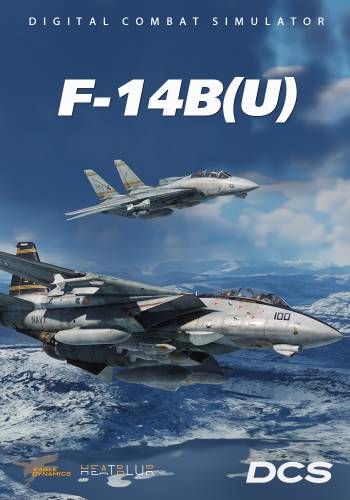
Heatblur’s DCS F-14B(U) upgrade is now available in DCS World, extending the Tomcat module into the later service period of the aircraft. Eagle Dynamics published its release announcement on July 24, while the product page identifies the release as July 22 and requires DCS World 2.9.28 or later. The upgrade also requires ownership of the DCS F-14A/B Tomcat module.
The central change is not a new airframe. It is a new systems era for an aircraft many DCS pilots already know. The F-14B(U) adds the VDIG-R, a modernised HUD, PTID, JDAM capability, EGI navigation, CDNU, DFCS, FTI and ALE-47 countermeasures. The official material describes it as a late-service evolution that moves the aircraft into the 2000s while retaining the two-seat workflow that defines the Tomcat module.
A systems lesson inside a familiar cockpit
That distinction matters to simulation users. A familiar exterior does not mean a familiar mission. Adding precision-guided weapons and more modern navigation changes the planning burden, the way a pilot and radar intercept officer divide tasks, and the information that must be managed before and during an attack.
The upgrade includes a new VDIG-R and a modernised HUD, along with the PTID and EGI navigation system. It also adds mission-management and defensive tools that change how a crew reads the tactical picture. Eagle Dynamics lists CDNU, DFCS, FTI and ALE-47 countermeasures among the new systems. The product description presents those as additions to the module, not as a claim that the simulation is a certified training device or a replacement for real-world procedures.
The two-seat relationship remains part of the appeal. DCS describes JESTER as a computer-controlled radar intercept officer, while the module also supports a human RIO in multiplayer. That gives the same aircraft two distinct coordination problems: one player can manage the back seat with the interface, or two people can divide the work directly. The upgrade’s value will therefore depend on how clearly the new systems communicate across that division.
New content around the upgrade
Heatblur is shipping new art, missions and campaigns with the F-14B(U). Operation Reforger Part III over Cold War Germany is listed as available on release. A separate campaign by Baltic Dragon is planned for after the initial release, so it should not be described as launch-day content.
The broader DCS F-14 Ultimate Edition now combines the early and export F-14A, the late F-14A, the F-14B and the B upgrade. The official release description also lists the wider Tomcat package’s carrier operations, weapons, reconnaissance equipment, campaigns and multiplayer pilot/RIO play. Buyers should read the bundle as a purchase option for the complete family rather than as a separate new aircraft.
The upgrade is a useful example of how a flight simulator can expand an aircraft without changing its name. The late-service Tomcat is a different training problem from the Cold War interceptor: more information, more mission options and more defensive decisions arrive inside the same two-seat arrangement. Whether that makes the module better for an individual pilot depends on their interest in the later systems, but the release gives the DCS Tomcat a defined new chapter rather than a cosmetic refresh.
It also gives existing owners a reason to revisit missions they already know. A carrier recovery, defensive counter-air sortie or precision-strike scenario can now be planned around a different information flow and a different set of available tools. That does not make the old F-14A or F-14B obsolete; it makes the family more useful as a historical progression. The Cold War and later-service aircraft can be flown as related machines with different assumptions, instead of being treated as one cockpit with a succession of cosmetic loadouts.
Real Sim is produced with editorial automation and institutional bylines. How this is made →
More Flight & Aviation →