Loft Dynamics Brings H125 VR Training to South Asia With Indocopters
The July 22 announcement covers a planned Loft Airbus H125 TXi full-motion simulator installation in India and a training model built around repeatable mission risk.
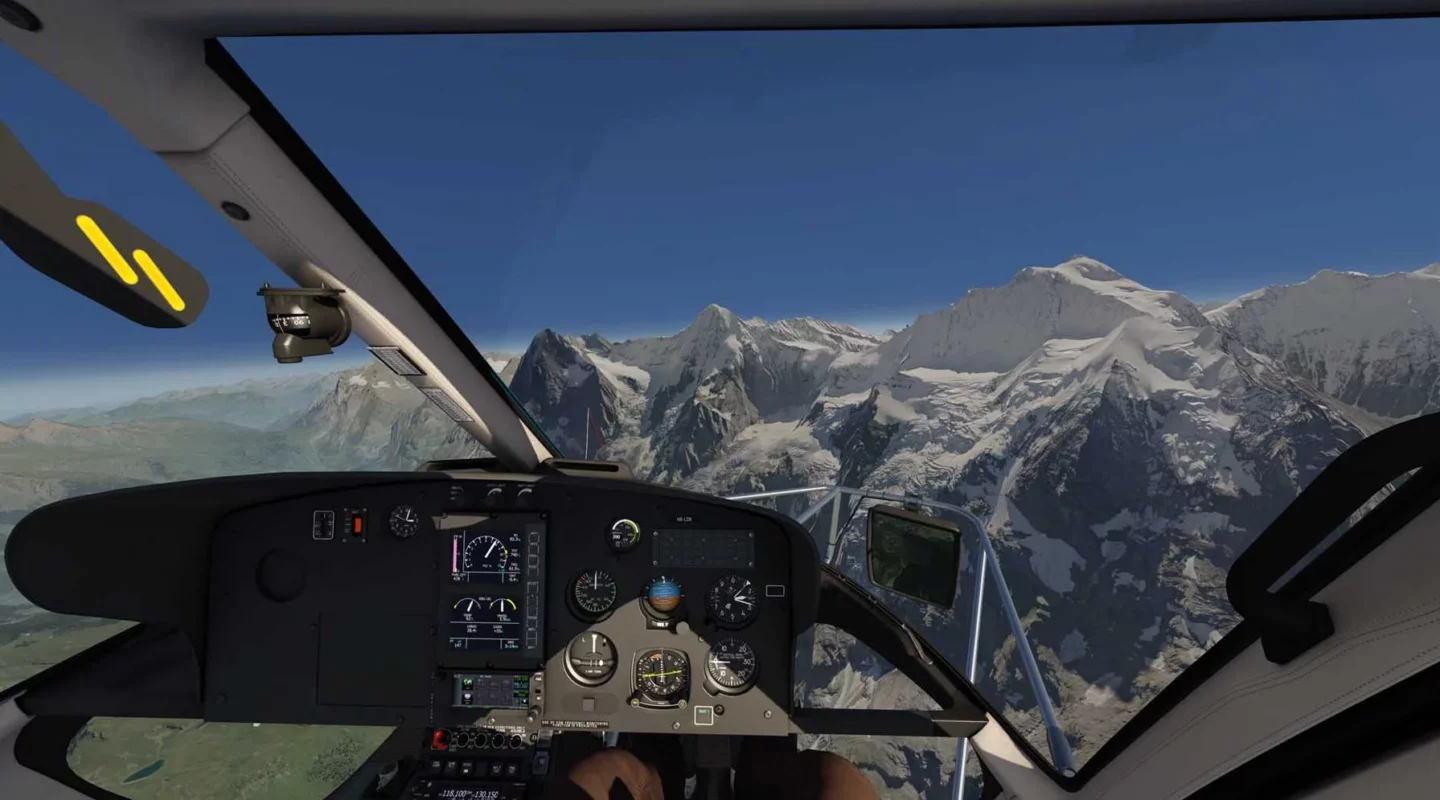
Loft Dynamics says Indocopters will install a Loft Airbus H125 TXi virtual-reality full-motion simulator in India, in an announcement dated July 22. The companies describe the planned site as South Asia’s first dedicated H125 VR training centre. The wording is important: this is an announced installation and training plan, not a claim that the centre is already operating.
The H125 is a helicopter whose training problem extends beyond learning a set of controls. Pilots must build habits for aircraft handling, mission planning and abnormal situations while managing the environmental factors that make a real sortie demanding. A simulator cannot remove those responsibilities, but it can make selected scenarios repeatable without putting an aircraft, crew or training day at risk.
Why the regional context matters
Loft’s announcement positions the Indocopters installation as a local training resource rather than a touring demonstration. A dedicated H125 device can give operators a place to rehearse type-specific operations and emergency procedures in a consistent way. It can also let an instructor revisit the same decision point with multiple pilots, something that is difficult when a lesson depends on weather, aircraft availability and the changing conditions of a live flight.
The planned curriculum is described as including type-specific operations, emergencies, regional safety conditions and mission scenarios. That regional emphasis is more meaningful than simply translating a generic lesson. Terrain, weather, infrastructure and the operating environment shape the risks a helicopter crew must recognise. A virtual training space can make those variables visible and repeatable, while the instructor remains responsible for deciding what proficiency evidence is sufficient.
VR is the access layer, not the qualification
The announcement’s use of VR also points to a practical trade-off. A compact visual system can represent a large operating area and can be updated as the training brief changes. Full motion adds physical cues that a desktop trainer cannot provide. Neither feature, by itself, makes a simulator equivalent to the aircraft or proves that a pilot is ready for every real-world task.
That distinction matters for readers evaluating the announcement. The value here is not a consumer product claim or a promise of effortless transfer. It is the possibility of a repeatable H125 environment in a region where a dedicated training site can shorten the distance between a pilot’s classroom preparation and supervised aircraft work.
Loft and Indocopters have announced the project; the source does not establish an operating date, installed-equipment acceptance or a certification outcome. Those remain future milestones rather than facts to fill in.
Real Sim is produced with editorial automation and institutional bylines. How this is made →
More Flight & Aviation →