Skyborne installs UKCAA-approved A320 FTD to expand Bournemouth MCC capacity
The new Aviatify-supplied device, compliant with FNPT II MCC standards, is the second simulator installed at the site in the past year and supports the Airline Pilot Scheme’s multi-crew training module alongside existing Boeing 737 MAX resources.
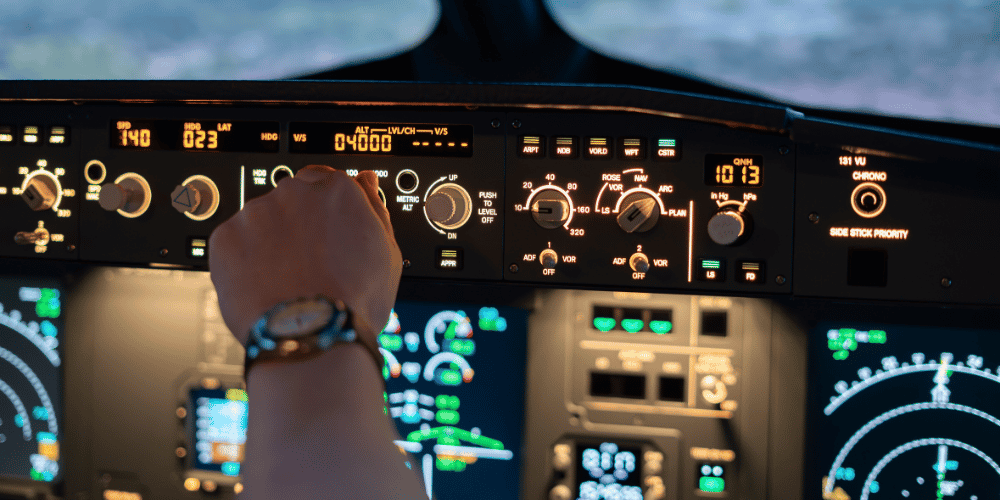
Skyborne announced on August 4, 2026, that it has installed a new Airbus A320 Flight Training Device (FTD) at its training centre in Bournemouth Airport. The device is approved by the UK Civil Aviation Authority (UKCAA) and supplied by Aviatify. Its primary purpose is to expand capacity for Skyborne’s Airline Pilot Scheme (APS), specifically supporting the Multi-Crew Cooperation (MCC) module that precedes airline type ratings.
Skyborne says this is the second simulator installed at its Bournemouth Airport training centre in the past year. The announcement does not provide a throughput figure. The new A320 FTD complements Skyborne’s existing multi-engine training capabilities, which include a Boeing 737 MAX simulator located at its Gloucestershire Airport base. Skyborne’s APS MCC page lists either a Boeing 737 MAX or Airbus A320 simulator for the 40-hour stage.
The Aviatify-supplied device is classified as an FNPT II MCC-compliant simulator. This designation confirms that the unit meets specific regulatory standards for multi-crew cooperation training. It provides practical A320 flight experience and immersive flying scenarios for trainees, enabling them to gain experience in jet handling and systems management within a regulated environment.
A key feature of this installation is the integration of instructor tools designed by ProSim-TS. The device includes an Instructor Workstation (IWS) and an intuitive Instructor Operating System (IOS). These interfaces allow instructors to inject failures, control weather conditions, manage repositioning, and monitor flight parameters in real time. This capability is essential for creating repeatable, standardized training scenarios that test specific competencies required by airline operators.
Skyborne describes its APS MCC stage as 40 hours of enhanced multi-crew training intended to bring pilots up to airline standards. The programme involves ground school followed by simulator training that develops jet-handling and multi-crew skills. Trainees complete this final stage on either a Boeing 737 MAX simulator or an Airbus A320 simulator.
The UK Civil Aviation Authority source establishes the regulatory context: an FNPT II MCC or an FFS is used for the practical part of an MCC course. Skyborne’s announcement identifies this device as UKCAA-approved and FNPT II MCC-compliant, but it does not publish independent throughput measurements or compare the unit with an FFS.
The announcement gives no throughput figure or scheduling data, so the capacity effect should be described as an expansion of available training hardware rather than a measured increase in student slots. The confirmed context is narrower: Skyborne says the A320 device sits alongside its Boeing 737 MAX simulator at the Gloucestershire base, while its APS MCC page lists both simulator types for the course.
The announcement does not publish a contract value, device price, or delivery schedule beyond the installation confirmation. Nor does it provide independent performance measurements beyond the UKCAA approval status and FNPT II MCC compliance designation. However, the verified installation confirms that Skyborne is actively investing in hardware to support its current student intake rather than announcing future projects with undated timelines.
In summary, the new Aviatify A320 FTD strengthens Skyborne’s operational infrastructure by adding a certified, instructor-controlled training platform at its primary hub. It supports the delivery of 40 hours of enhanced multi-crew training to airline pilot standards, ensuring that trainees receive immersive flying scenarios and practical A320 flight experience within a regulated environment.
Aviatify identifies the installed unit as its PARAGON3 model, specifically engineered for Airline Pilot Scheme MCC programmes. The manufacturer notes that these devices utilize high-quality panels to deliver an immersive training experience, with software licensed from ProSim Training Solutions. This licensing arrangement underpins the Instructor Operating System’s functionality, which ProSim documentation confirms includes controls for weather simulation, aircraft repositioning, system failures, and flight parameters. The supplied documentation lists these controls, but it does not provide independent measurements of this installation. The UK Civil Aviation Authority mandates that practical MCC training must be conducted on either an FNPT II MCC device or a Full Flight Simulator. The CAA identifies an FNPT II MCC or FFS as the equipment used for practical MCC training, while Skyborne describes this device as UKCAA-approved. This addition complements the existing Boeing 737 MAX simulator at Gloucestershire Airport, offering students choice between two major narrow-body types during their forty-hour enhanced multi-crew training module.
Real Sim is produced with editorial automation and institutional bylines. How this is made →
More Beyond the Game →